PARSA LAB • BIOHUB RESEARCH INSTITUTE • NEW YORK CITY

Immune Cell Dynamics

Our mission is to decode how tissue-derived signals dictate the migration, fate, and function of immune cells across diverse disease states.

PHASE 01 // RESEARCH AREAS

Research

PROJECT 001

Tissue residency and cellular ontogeny

Our research is dedicated to unraveling the mechanisms underlying T cell tissue adaptation and residency. We aim to decode the tissue-derived signals that instruct T cell residency and to explore whether circulating cells carry genetic information reflecting the tissues they have interacted with throughout their lifespan. Our work provides crucial insights into how tissue-specific environments shape T cell responses, offering the potential for more targeted therapies for cancer and autoimmune conditions.
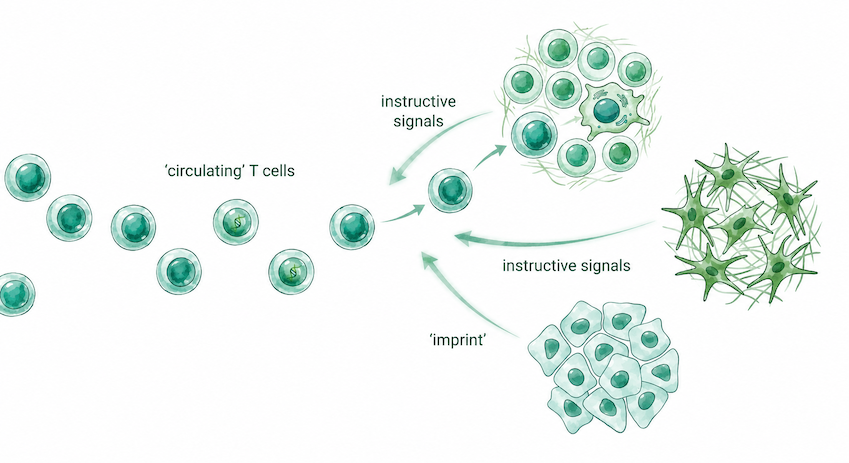
Biological visualization
PROJECT 002

T cell heterogeneity and function

T cells are extremely heterogeneous and have an important role in orchestrating immune responses and eliminating pathogens and cancer cells. A core part of our research is to understand the various immune states of T cells and describe their functions with a focus on early disease states. This knowledge can reveal novel therapeutic targets, enabling precise modulation of T cell activity for improved treatment of diseases like cancer and autoimmunity.
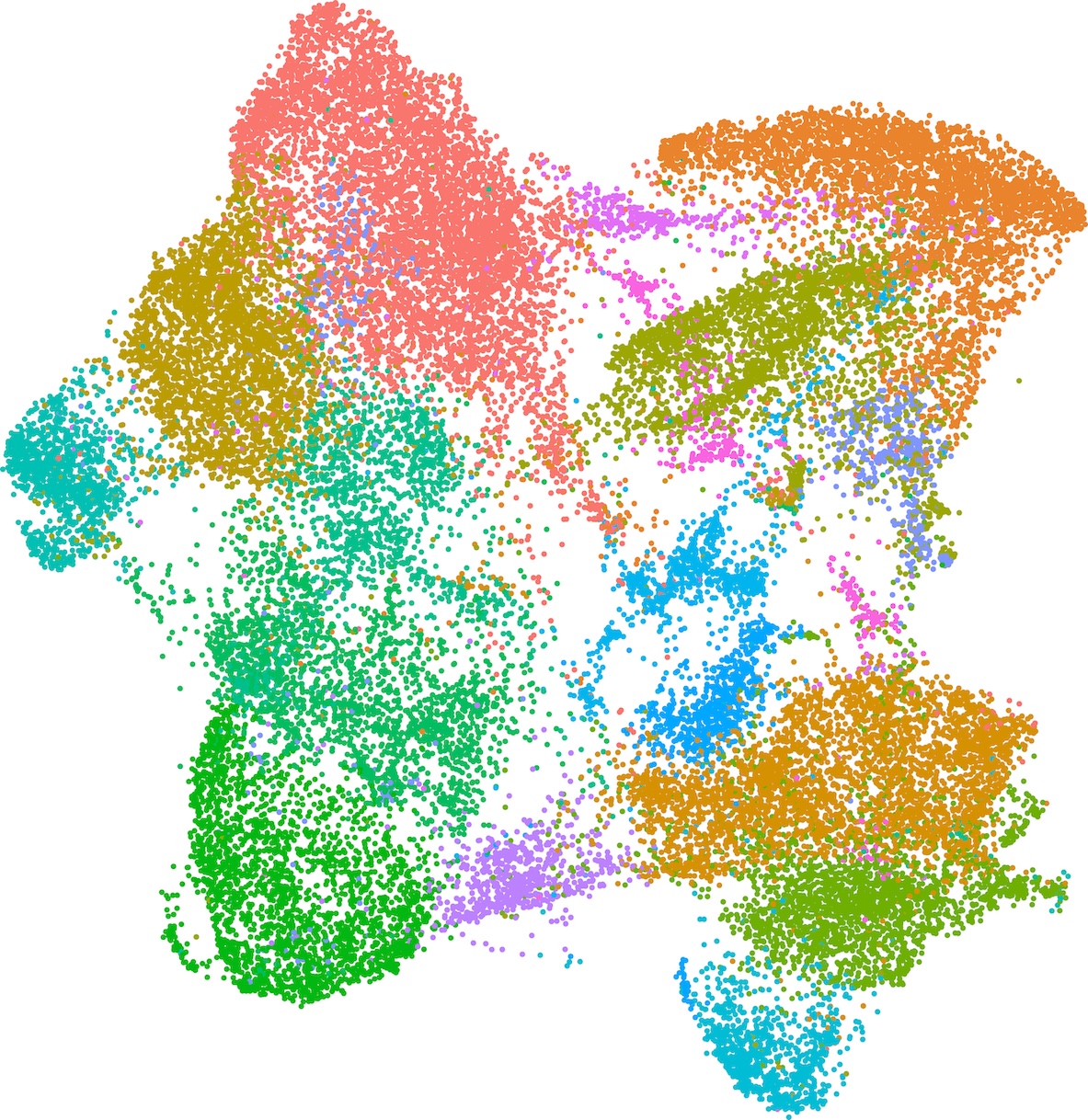
Biological visualization
PROJECT 003

Clonal dynamics and TCR cross-reactivity

Autoimmune diseases occur when T cells mistakenly target the body's own cells. Our goal is to identify these self-reactive T cells, understand their distribution and clonal characteristics, and investigate the reactivity of their T cell receptors (TCRs) towards self-proteins.
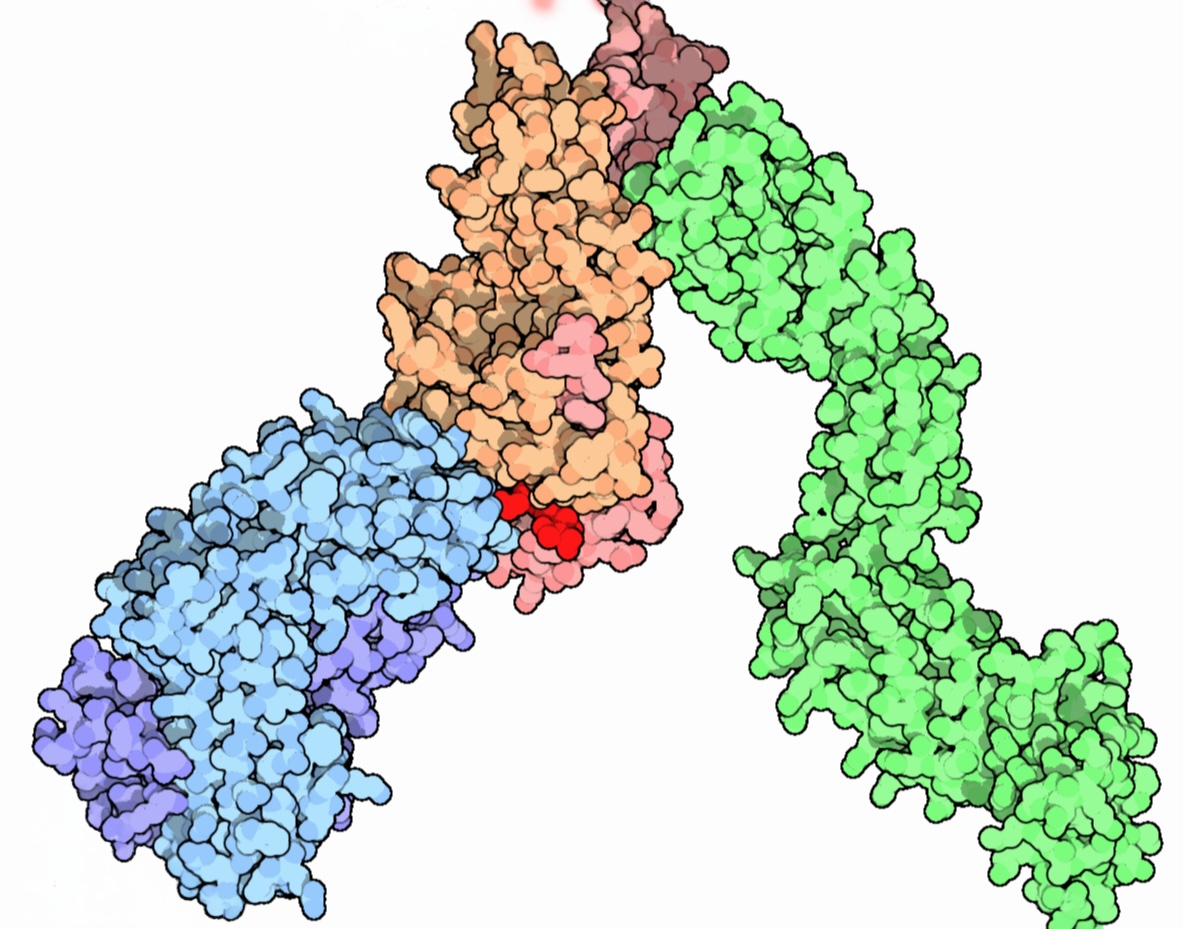
Clonal differentiation diagram
PROJECT 004

Bioengineering

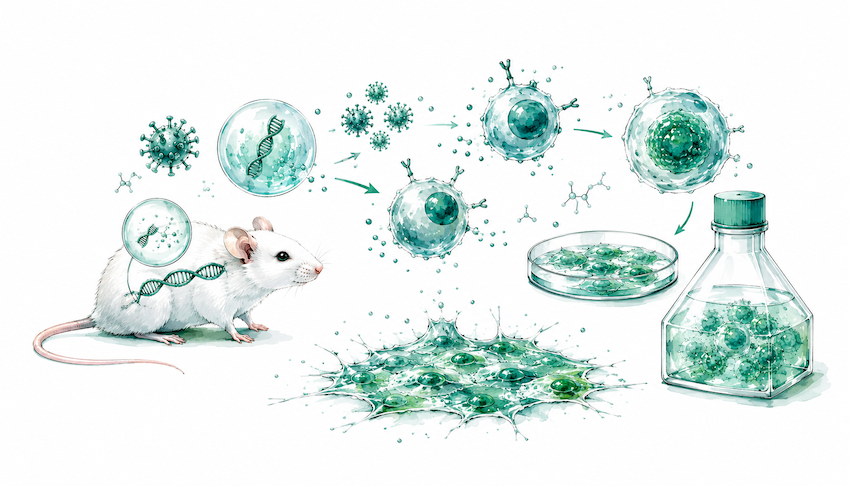
A key focus of our lab is to create biological tools that address fundamental questions in T cell immunology. We aim to develop novel and innovative methods that not only answer critical biological questions but also facilitate research for the broader scientific community.
Bioengineering visualization
PHASE 02 // LATEST NEWS

Lab Updates

09 APRIL 2026 // OPEN POSITION

Postdoc position open: Studying T cell migration dynamics

We are looking for motivated postdocs to join our lab at the Biohub New York.
12 March 2026 // NEWS

News about our Nature Immunology paper

News on Nature Immunology, Biohub and at The Rockefeller University regarding the TRACK mouse model and tissue adaptation of CD4 T cells!
10 NOVEMBER 2025 // NEW TEAM MEMBER

Welcome Simon!

Welcome to Simon Shirley (Postdoctoral fellow)!
29 AUGUST 2025 // PUBLICATION

Our paper is out!

We generated a novel mouse model that allowed us to follow T cells during infection, and describe how tissues shape immunity.
02 May 2025 // SUMMER INTERN

Our summer student for 2025, welcome Arpita!

Welcoming Arpita Sushil for her summer research internship!
16 April 2025 // NEW TEAM MEMBER

Welcome William!

Welcome William Webber (Research Assistant).
PHASE 03 // SELECTED PUBLICATIONS // FULL PUBLICATION LIST

Dispatch from the Lab

05 March 2026 // PUBLICATION

Tissue-specific clonal selection and differentiation of CD4+ T cells during infection

Published in Nature Immunology. This study introduces TRACK mice to reveal that distinct tissue environments drive organ-specific differentiation and clonal selection of CD4⁺ T cells during influenza infection, shaping both effector and memory T cell responses.

12 July 2022 // PUBLICATION

Newly recruited intraepithelial Ly6A+CCR9+CD4+ T cells protect against enteric viral infection

Published in Immunity. This study identifies a protective population of Ly6A+CCR9+CD4+ intraepithelial T cells that are recruited during enteric viral infection and control adenovirus through IFN-γ-dependent antiviral activity.

10 May 2022 // PUBLICATION

Immunity to enteric viruses

Published in Immunity. This review summarizes how the intestinal immune system mounts antiviral defenses against enteric viruses while maintaining tissue homeostasis, and discusses how these insights can guide the development of effective oral vaccines.

16 April 2018 // PUBLICATION

Fatal demyelinating disease is induced by monocyte-derived macrophages in the absence of TGF-β signaling

Published in Nature Immunology. This study shows that TGF-β signaling is essential for the functional integration of monocyte-derived macrophages into the CNS, as its loss drives inflammatory macrophage activation and fatal demyelinating disease.

01 August 2016 // PUBLICATION

TGFβ regulates persistent neuroinflammation by controlling Th1 polarization and ROS production via monocyte-derived dendritic cells

Published in Glia. This study shows that TGF-β signaling in monocyte-derived dendritic cells is required to suppress chronic neuroinflammation and demyelination during EAE by limiting an IL-12–IFN-γ–ROS inflammatory loop linked to MS severity.

18 July 2016 // PUBLICATION

BAFF-secreting neutrophils drive plasma cell responses during emergency granulopoiesis

Published in Journal of Experimental Medicin. This study shows that emergency granulopoiesis enhances humoral immunity by promoting neutrophil recruitment to lymph nodes, where neutrophils accelerate plasma cell formation and antigen-specific antibody production.

16 October 2012 // PUBLICATION

Adoptive Transfer of Immunomodulatory M2 Macrophages Prevents Type 1 Diabetes in NOD Mice

Published in Diabetes. This study demonstrates that adoptive transfer of IL-4/IL-10/TGF-β–induced immunosuppressive macrophages protects against autoimmune type 1 diabetes by suppressing inflammation, inhibiting T cell responses, and promoting pancreatic β-cell survival.

PHASE 04 // THE PARSA GROUP

The Team

Roham Parsa, Ph.D.
Roham Parsa, Ph.D.
Principal Investigator / Adjunct Assistant Professor at The Rockefeller University
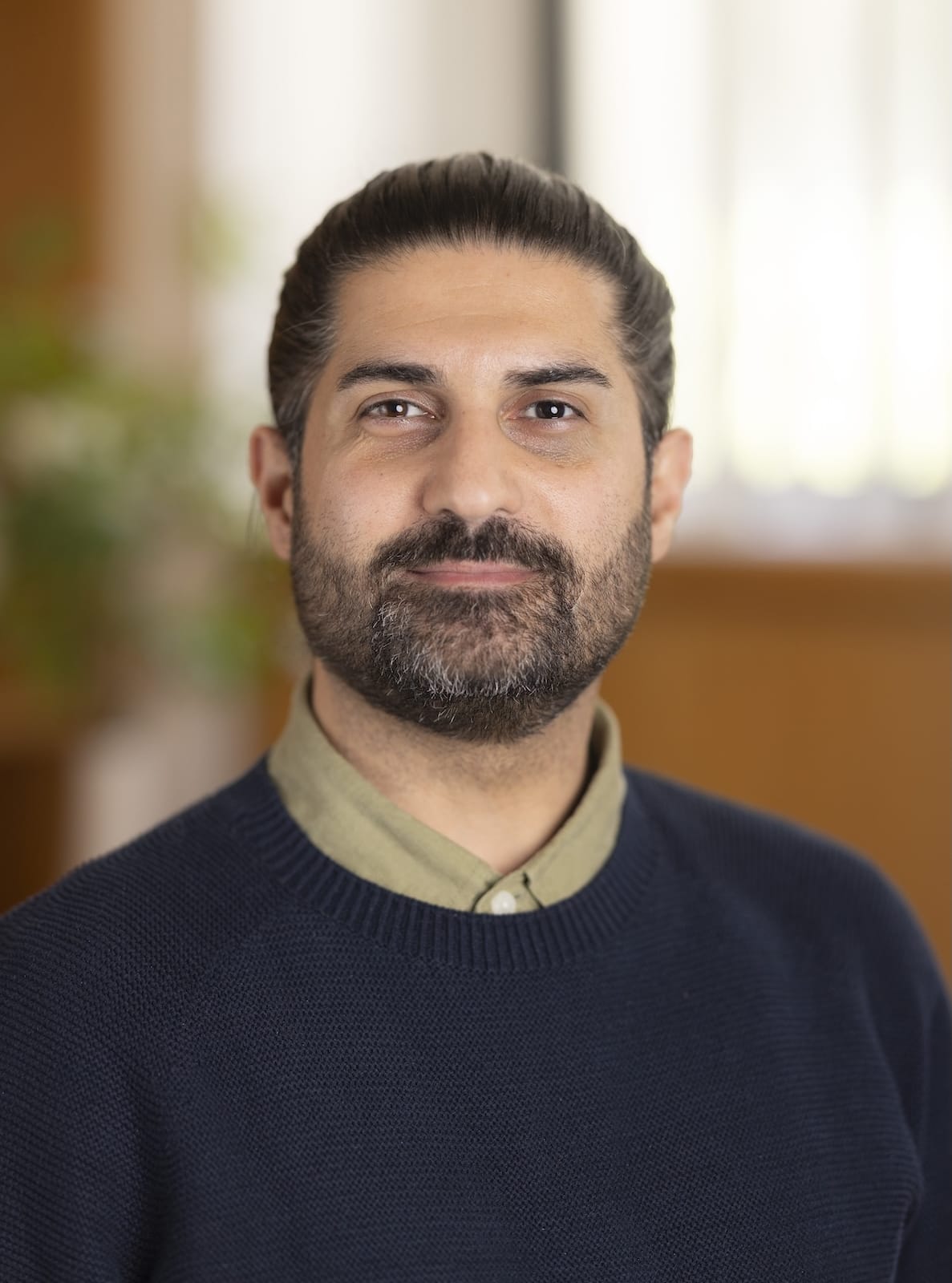
Roham Parsa is the Group Leader and Principal Investigator of the Parsa laboratory at the Chan Zuckerberg Biohub New York and an Adjunct Assistant Professor at The Rockefeller University. His research centers on immunology, with a particular passion for T cells. Roham received his Ph.D. from the Karolinska Institute in Sweden before moving to New York for postdoctoral training at The Rockefeller University. Outside the lab, he enjoys traveling with his family, watching sci-fi movies, and playing video games. Favorite NY pizza: Old Fashion Margarita from Patsy's Pizzeria on the Upper East Side
Connor Monahan, Ph.D.
Postdoctoral Fellow
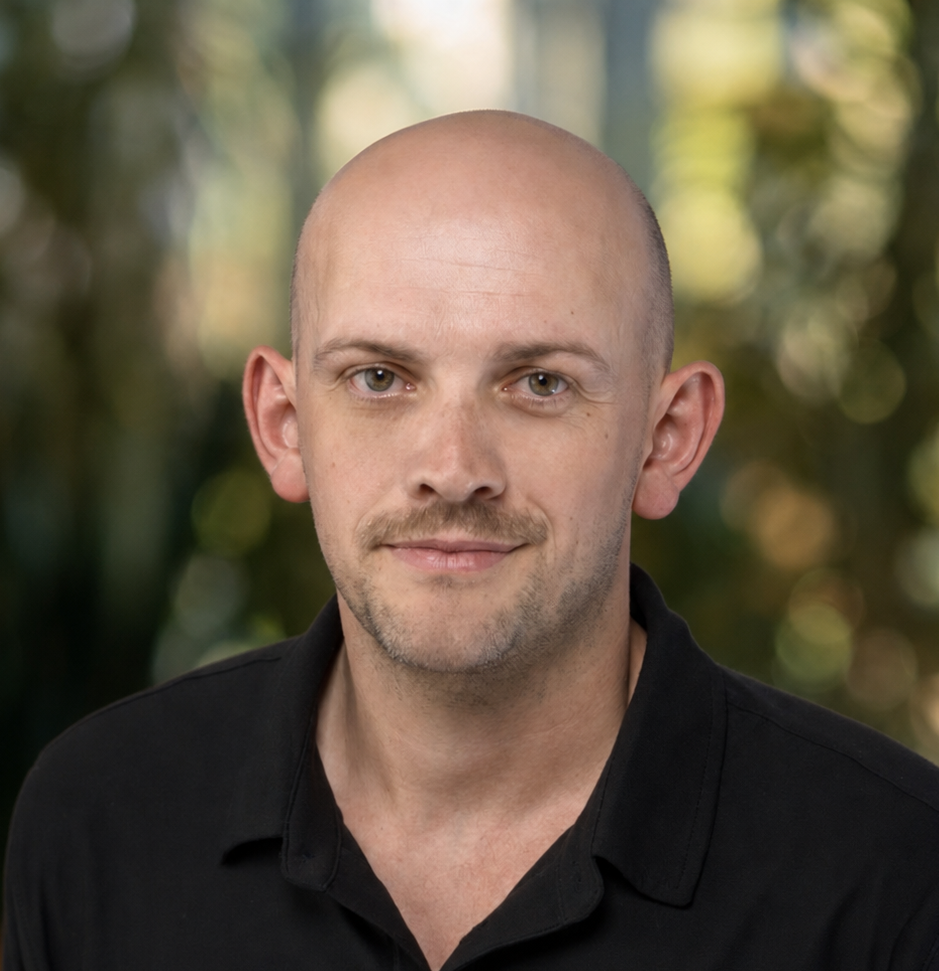
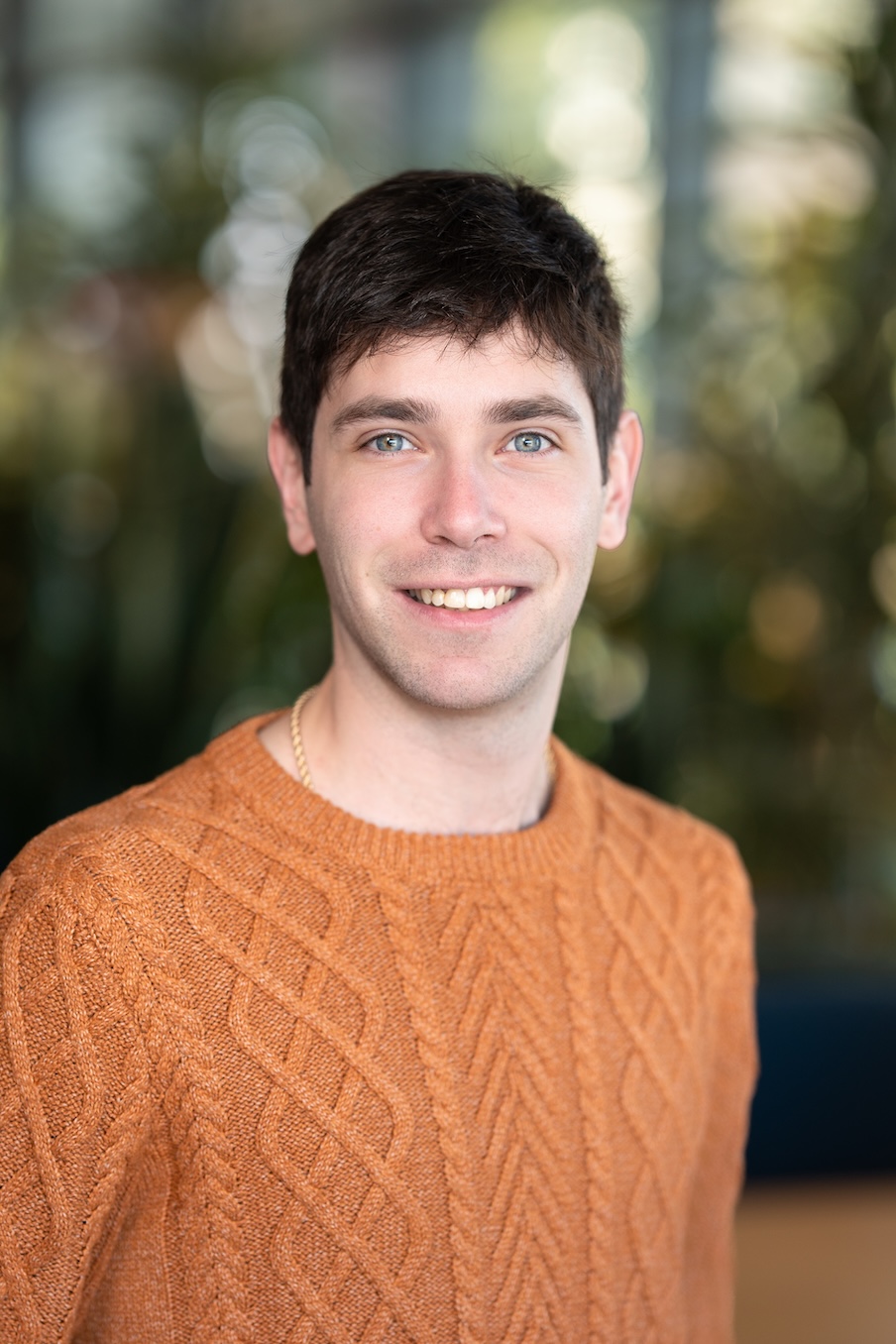
Connor earned his Ph.D. from Columbia University, where he explored the role of antigen-specific T cells in the progression of Parkinson’s disease. As a member of the Parsa group, Connor focuses on uncovering the mechanisms behind the activation of self-reactive T cells during autoimmune diseases. Outside of the lab, Connor enjoys crocheting, skiing, and discovering new restaurants in the city. Favorite NY pizza: 18th Avenue square pizza from Mama's TOO on the Upper West Side
William Webber
William Webber
Research Associate
William is a molecular biologist with a deep interest in immunology and cytokine biology. He has worked extensively with mouse models to explore immune responses, focusing on cytokine regulation and inflammasome biology. William earned his undergraduate degree in molecular, cellular, and developmental biology at the University of Colorado, Boulder, and plans to pursue a Ph.D. in molecular biology. In his free time, William enjoys tennis, hiking, watching films, and cheering on the Pittsburgh Steelers. Favorite NY pizza: Pepperoni slice pizza from Village Pizza in Cornwall-on-Hudson, NY
Simon Shirley, Ph.D.
Postdoctoral fellow
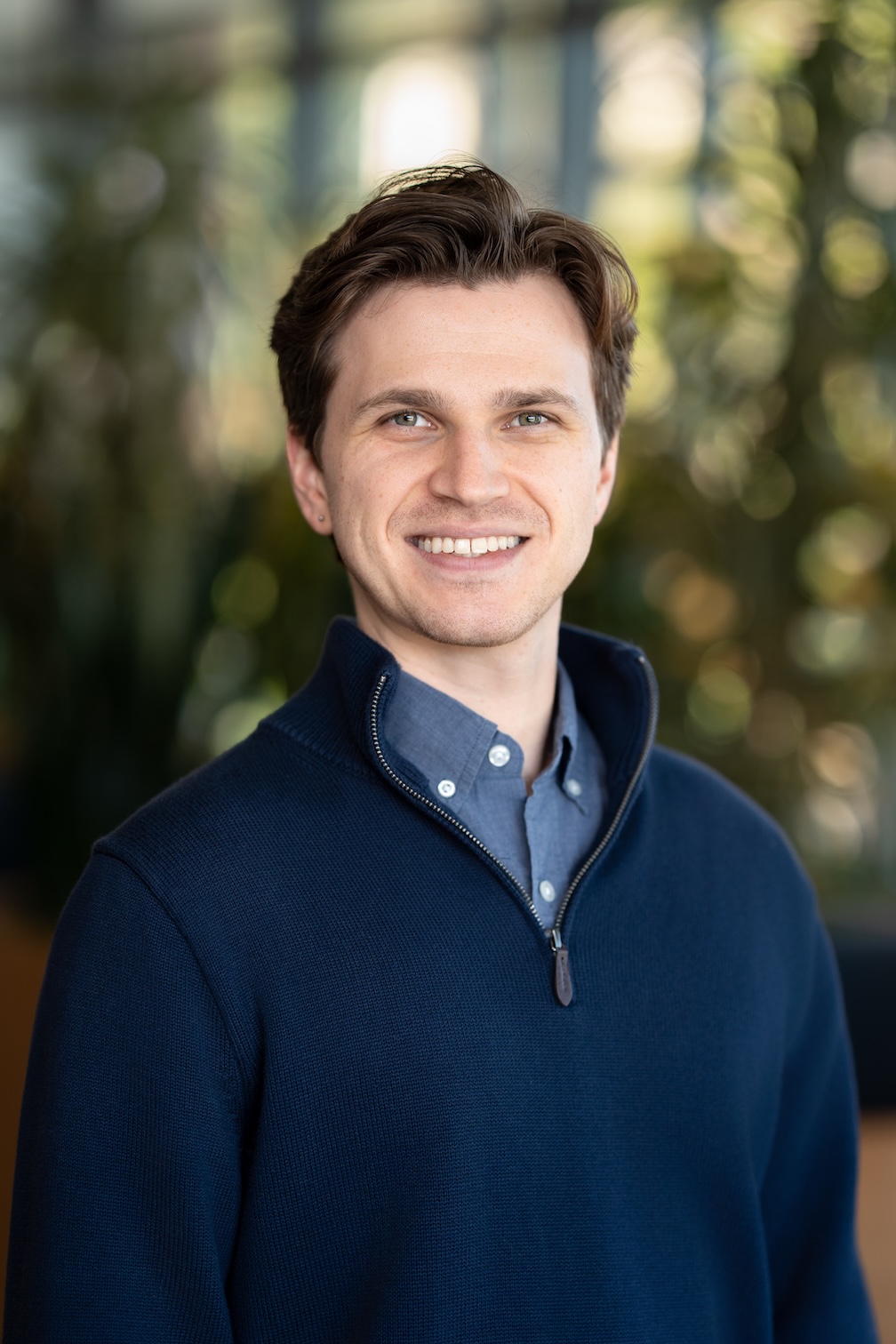
Simon earned his Ph.D. in Immunology from the University of Otago in New Zealand before moving to New York for postdoctoral training in the Department of Microbiology and Immunology at Columbia University, where he investigated the role of innate lymphoid cells in infectious and allergic diseases. In the Parsa group, Simon studies how T cells adapt to different tissues and the mechanisms guiding their fate decisions. Outside of work, Simon is an avid reader, an enthusiastic (and improving) cook, and loves exploring New York City on foot or by bike. Favorite NY pizza: Margherita slice from Mimi’s Pizza on the Upper East Side
Sydney Brack
Sydney Brack
Research Associate II / Lab manager
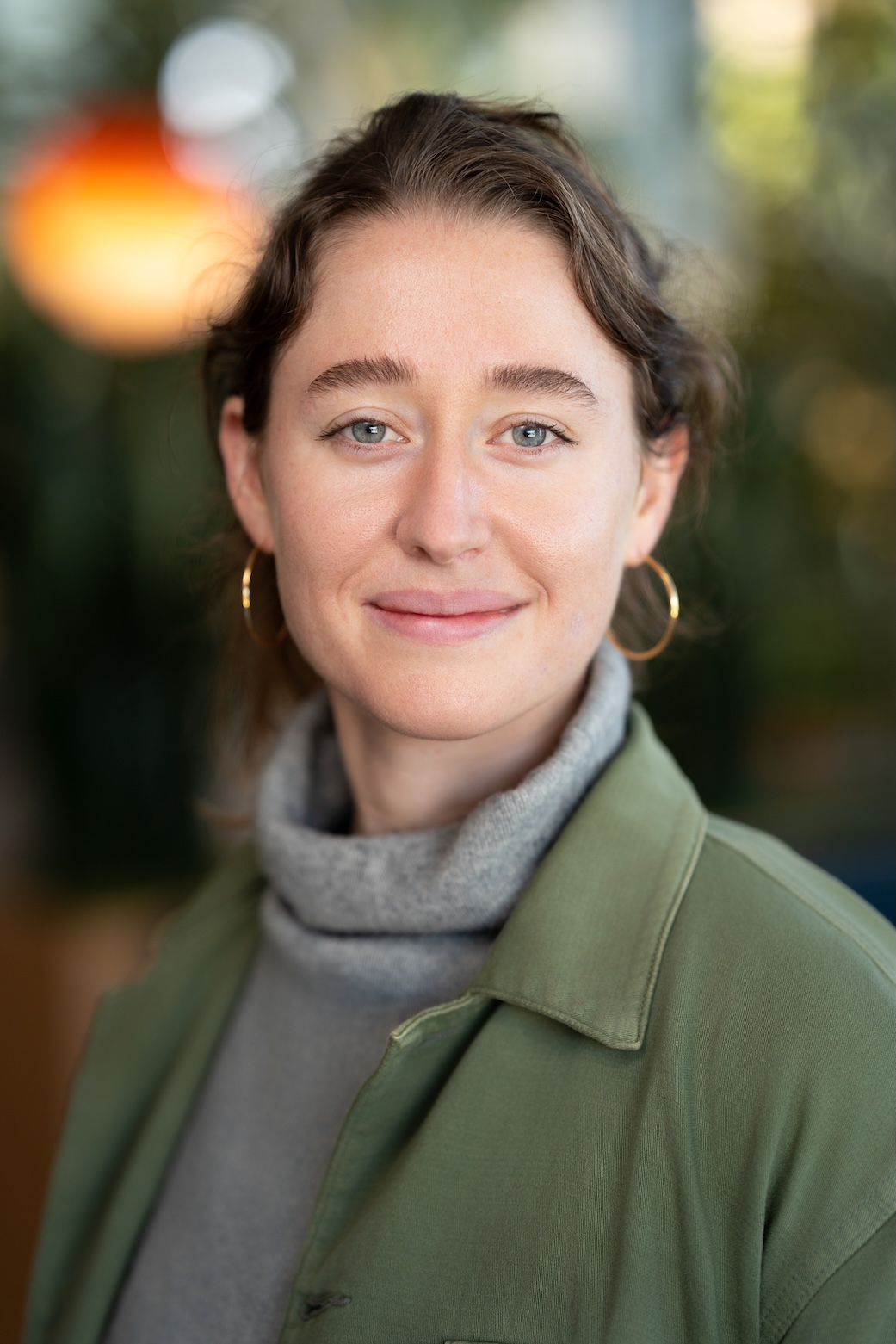
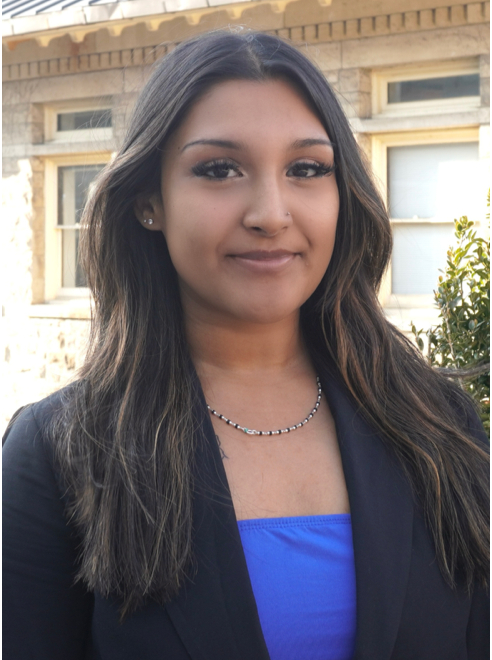
Sydney received her M.S. in biology from UC San Diego, where she elucidated the linkage between Veteran patients with chronic rhinosinusitis exposed to airborne toxins and an increased infiltration in mast cells in the sinus. She has also worked extensively in researching the innate immune system in allergic contexts. Outside of work, Sydney loves to explore new coffee shops and restaurants, bake, read, and craft.  Favorite NY Pizza: Yet to be determined, but open to recommendations
Zacharenia Kourkounaki
Visiting master student
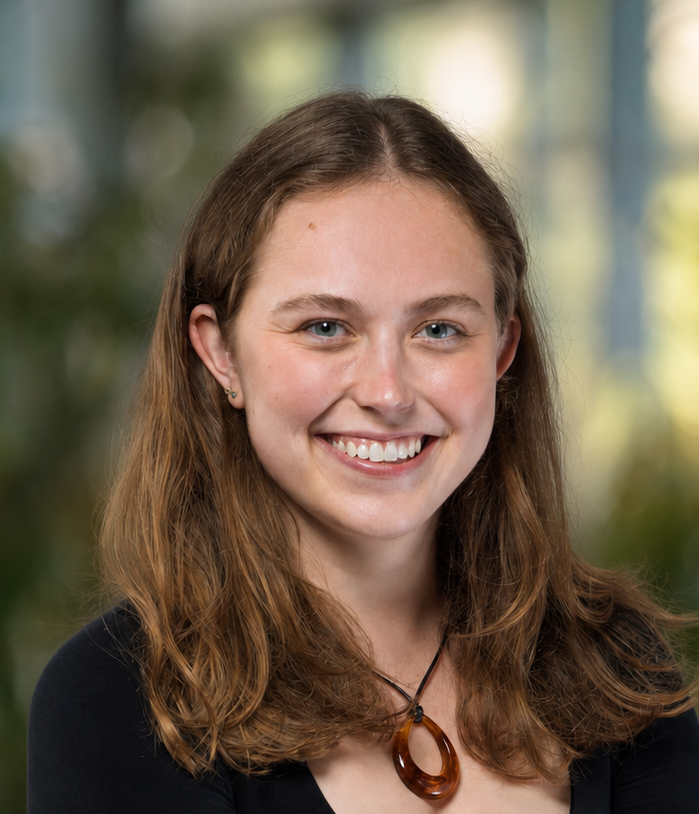
Zacharenia received her BSc in Biomedicine from the Karolinska Institute, with an interest in immunology and developmental biology. Her bachelor's thesis investigated the interactions between enteric bacterial glycans and antibodies using mass spectrometry.In her free time, Zacharenia enjoys making all kinds of crafts, playing instruments and solving puzzles.   Favorite NY Pizza: TBD!
PAST CONTRIBUTORS // TIMELINE

Lab Alumni

Cameron Roberts, Ph.D.
Postdoctoral fellow
Cameron focused on developing new tools to track immune cells in vitro.
Arpita Sushil
Arpita Sushil
Summer undergraduate intern
Arpita Sushil is an undergraduate student at Cornell University majoring in Cognitive Science, with a strong interest in immunopathology and epigenetics. During her time in the Parsa Lab, she conducted research on T cell receptor interactions.
PHASE 05 // SHAREABLE ASSETS

Resources

RESOURCE TOOL

ShinyTCR

A simple R app that allows you to summarize TCR output from IMGT HighV-Quest output data.  Diversity index, Morisita-Horn overlap across samples, overlap across samples, and clonal counts. Unpaired TCR analysis, i.e. only alpha or beta chain.

CONTACT

Contact the Lab

We are located at the Biohub in New York City. We welcome inquiries about open positions and collaborative opportunities.

location_on
Biohub
Manhattanville Campus
Studebaker Building
6th Floor, Room 621
615 W 131st Street
New York, NY 10027